Nachhall #19: Every Song Ever IV
eine Koproduktion mit Wien Modern
Montag, 9. November 2026 · 17:00 Uhr
Ticketpreise: 22 € (ermäßigt <30: 50 %, Ö1) | 5 € mit Festivalpass
Ticketvorverkauf: https://www.wienmodern.at/2026-kartenverkauf
Restkarten an der Abendkassa | Einlass eine Stunde vor Konzertbeginn
Jahreskarteninhaber:innen des echoraum erhalten freien Eintritt.
Nachhall #19: Every Song Ever IV
Paul Wallfisch – Tasten, Stimme, Elektronik
Martin Siewert – Gitarren, Lap Steel, Elektronik
Mona Matbou Riahi – Klarinette, Stimme, Elektronik
Ben Ratliff – Lesung, Gespräch
Stefan Grissemann – Moderation
November 9th at Echoraum will mark the 4th and final installment of our series EVERY SONG EVER in which we “play the book” by the award winning American music critic and professor Ben Ratliff.
I’ve always had a penchant for the ekphrastic, so the notion of “playing” a book is not new to me. I’ve tried it before with Haruki Murakami and Paul Auster. Ben’s remarkable work, practically cries out to have the ecstatic experience of insightful listening he describes come sonically alive. We will be your audio book with extra dimensions!
Subtitled Twenty Ways to Listen in an Age of Musical Plenty, Ratliff’s book is divided into twenty chapters appended by playlists that confound and transcend traditional ways of categorizing music. David O’Neill found “…the most galvanizing aspect of [Ratliff’s] project is that it leaves room for the DIY spirit to emerge…[Every Song Ever] reignites our sense of longing for connection…”
“The most significant progress in the recent history of music,” writes Ratliff, “has to do with listening. How we listen to music could be, for the first time in centuries, every bit as important to its history and evolution as what the composer intends when writing it.” While Ratliff’s words are captivating on the page, to me they inexorably inspire performative expression. As I’ve learned in forty years of trying to break down the fourth wall, and as Ratliff writes “Music is a game between performers and audience…”
Along with regular co-conspirator, the exceptional Viennese multi-instrumentalist Martin Siewert, I’ll be joined by world renowned Iranian musician and composer Mona Matbou Riahi. We’ll tackle selections from the last 6 chapters of Ben’s book:
Just a Little Bit: LOUDNESS
R.S.V.P: DISCREPANCY
I Still Believe I Hear: MEMORY & HISTORICAL TRUTH
On the Waves: LINKING
Mi Gente: COMMUNITY & EXCLUSIVITY
Slowly Fading Out of Sight: THE PERFECT MOMENT
There are personal points of reference for me all through the book, from Pablo Casals, a friend and musical collaborator of my parents to Swans, a band I once elonged to, prominently mentioned in the chapter LOUDNESS. We will “cover” Swans, which famously never really plays their albums in concert, or rather “covers” them in ever evolving and probing ways.
We will attempt the Heterophony discussed in chapter 16; the “wobbling & cohering” of Elaine Radigue and the Rolling Stones.
As well as unique takes on The Four Tops, Fushitsuha, Georges Bizet, Sly Stone, Fauré and Flipper, among others.
And indeed, it’s always the perfect moment we’ll be looking for!
Ben Ratliff himself will join us for a discussion of the music and more.
~Paul Wallfisch
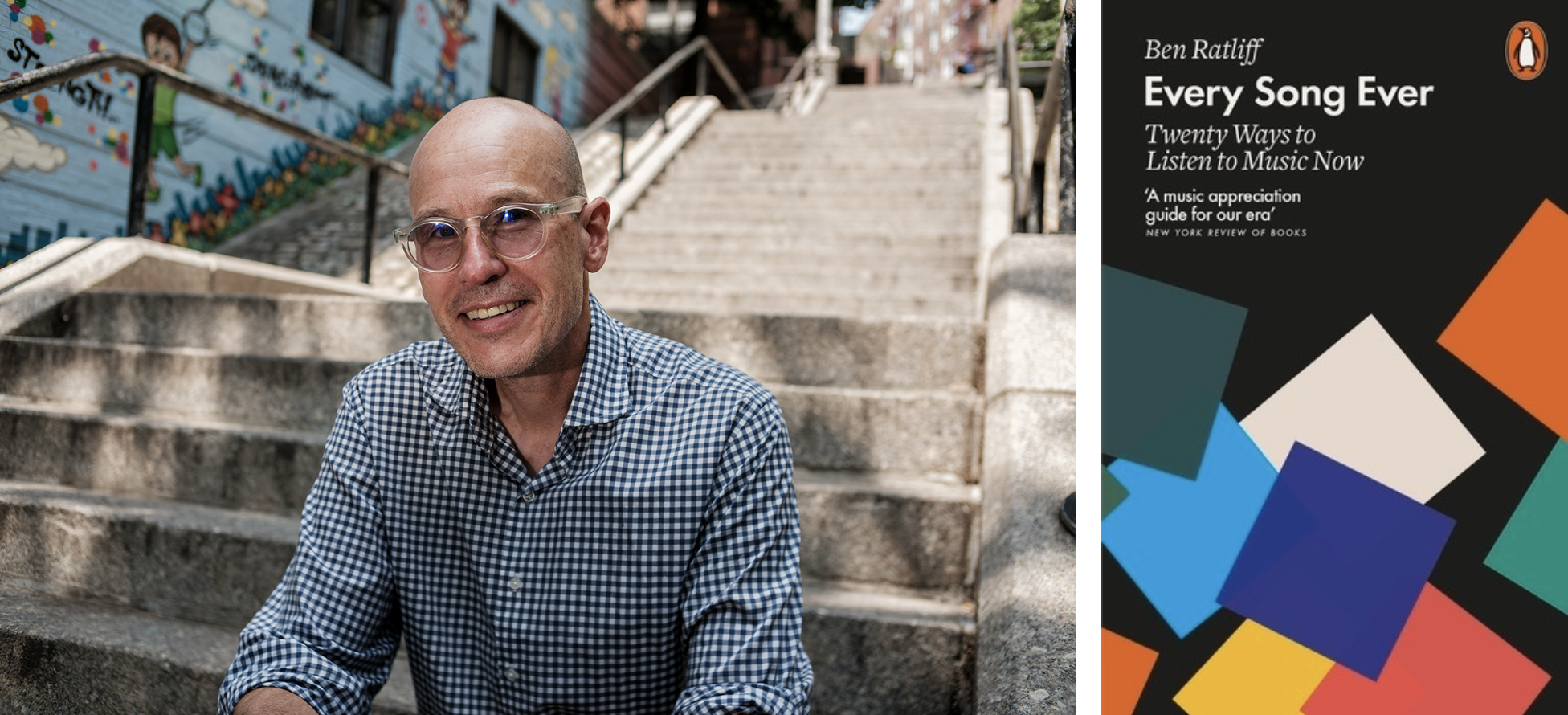
Ben Ratliff teaches cultural criticism at New York University’s Gallatin School of Individualized Study. He is the author of books including Run the Song: Writing About Running About Listening (2025), nominated for the National Book Award for nonfiction, and Coltrane: The Story of a Sound (2007), a finalist for the National Book Critics Circle Award. From 1996 to 2016 he worked as a jazz and pop critic at the New York Times, and he has written for other publications including the New York Review of Books, the Washington Post, 4Columns, and Presence.
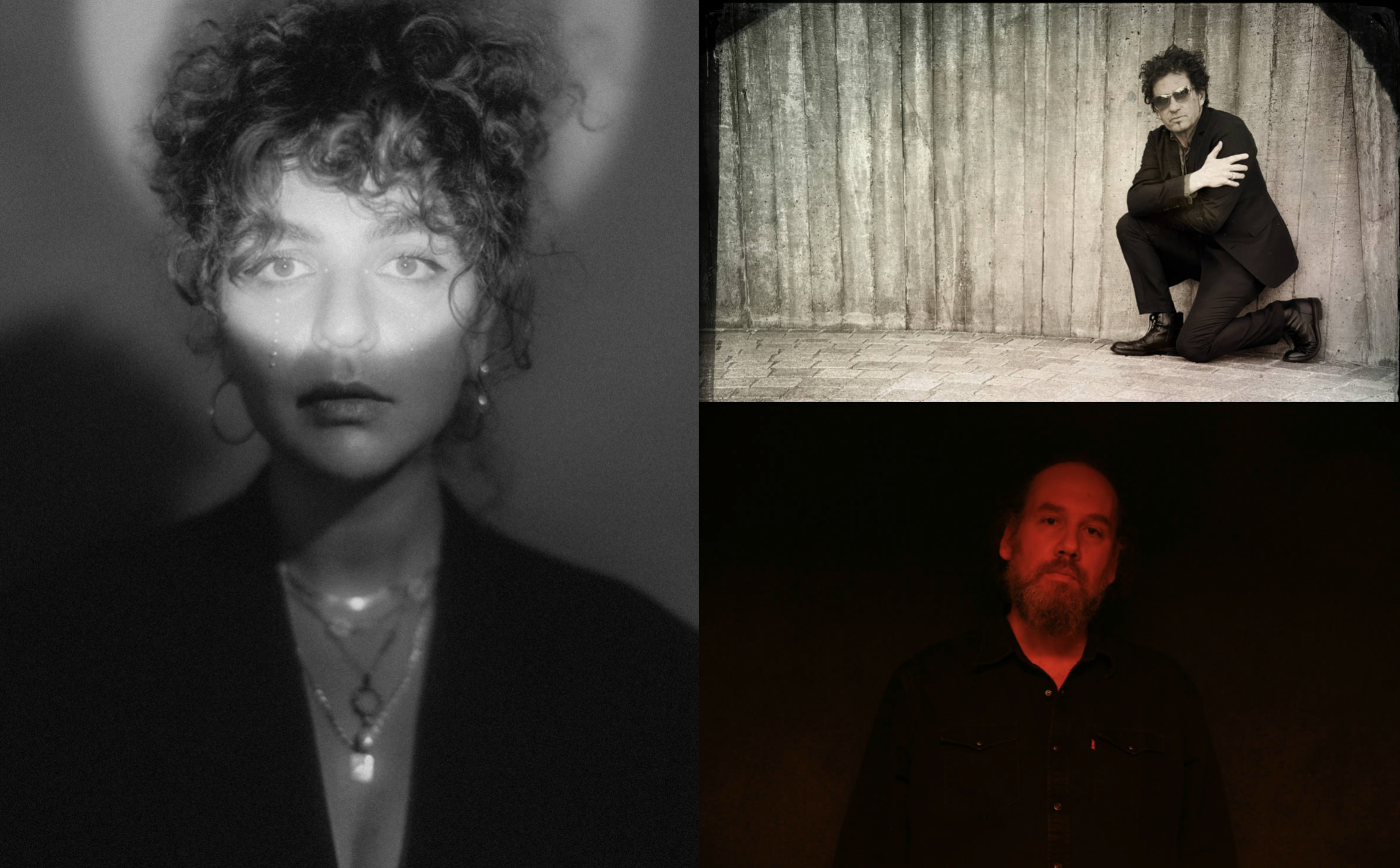
Mona Matbou Riahi, born in Tehran and based in Vienna, is a versatile performer, composer, and improviser. Her artistic approach combines contemporary and classical elements, bringing together improvisation, experimental and electronic music, as well as innovative techniques for sonic exploration. In doing so, she moves fluidly and freely between genres. With a strong openness to interdisciplinary collaboration, she regularly works in various formats and partnerships with musicians, dancers, actors, and multimedia artists, and appears at international festivals. https://www.monamatbouriahi.com/
Martin Siewert arbeitet als Gitarrist & Improvisator, aber auch als Komponist in akustischen und / oder elektronischen Kontexten. Neben langjähriger Arbeit in Bands wie Radian, Trapist, Dry Thrust sowie Duo-Konstellationen mit Partner:innen wie Reinhold Friedl, Katharina Klement, Katharina Ernst und Christian Reiner ist er auch regelmäßig in Großensembles wie Studio Dan, dem klingt.collective oder Georg Gräwe’s Sonic Fiction Orchestra zu hören. Ein besonderes Interesse gilt seit geraumer Zeit interdisziplinären Projekten, so unter anderem mit Toxic Dreams, Liquid Loft, Gustav Deutsch, Nikolaus Gansterer, sowie seit einigen Jahren auch im Duo bzw Trio (mit Judith Schwarz) mit Birgit Minichmayr. https://siewert.klingt.org/
Paul Wallfisch’s music can be heard on countless American TV shows and several feature films. He has performed and/or recorded with Firewater, Love & Rockets, Swans, Little Annie, Angela McCluskey, Syl Sylvain, Stiv Bators, Marissa Nadler, Rose McGowan, Joey Arias and many more. From 2010-2015 Paul was Music Director at Schauspiel Dortmund, subsequently working with acclaimed director Kay Voges at the most important houses in German-language theatre. Paul co-created the musical theatre piece Republic of Wolves (Dortmund/Volksbuehne 2014) and „Dies Irae: An Endtimes Opera“ (Burgtheater 2019), composing and performing the scores live. Paul recently ended his run as Music Director and Curator at Volkstheater, Vienna where he co-wrote and performed the music to Anna-Sophie Mahler’s production of Tennessee Williams’ Camino Real with the band Calexico. Paul’s music has been released on numerous labels including Mute Records, Trost, Southern and Rent A Dog. https://www.paulwallfisch.com/
Stefan Grissemann has been head of the arts section of Viennese news magazine “profil” since 2002. Before that he wrote for the daily newspaper “Die Presse” for 13 years. He teaches film theory and cinema history at the Film Academy Vienna. In 2003 he published the first biography of the life and work of B‑movie master Edgar G. Ulmer (“Mann im Schatten”), followed by a study on the work of director Ulrich Seidl in 2007. He also edited books on Elfriede Jelinek, Robert Frank, Peter Kubelka, Michael Haneke and Ruth Beckermann. Grissemann’s writing has appeared in the “FAZ”, “taz”, “Kunstforum International”, “Trafic” and “Film Comment”, among others.